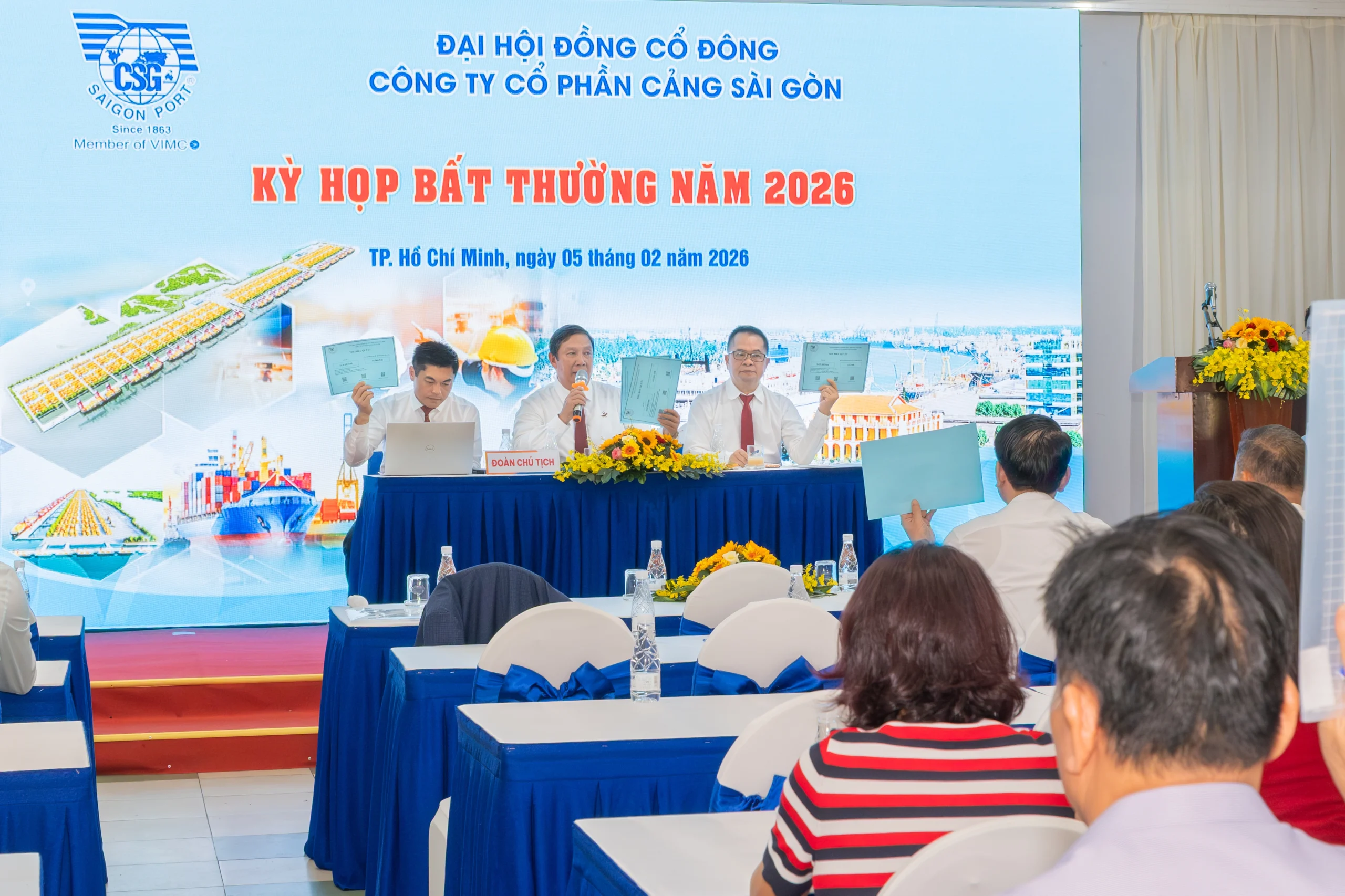
On the morning of February 5, 2026, Saigon Port Joint Stock Company (Saigon Port) convened an Extraordinary General Meeting of Shareholders at the Company’s Hall to review and pass the policy on capital participation for the Can Gio International Transshipment and Gateway Port project.
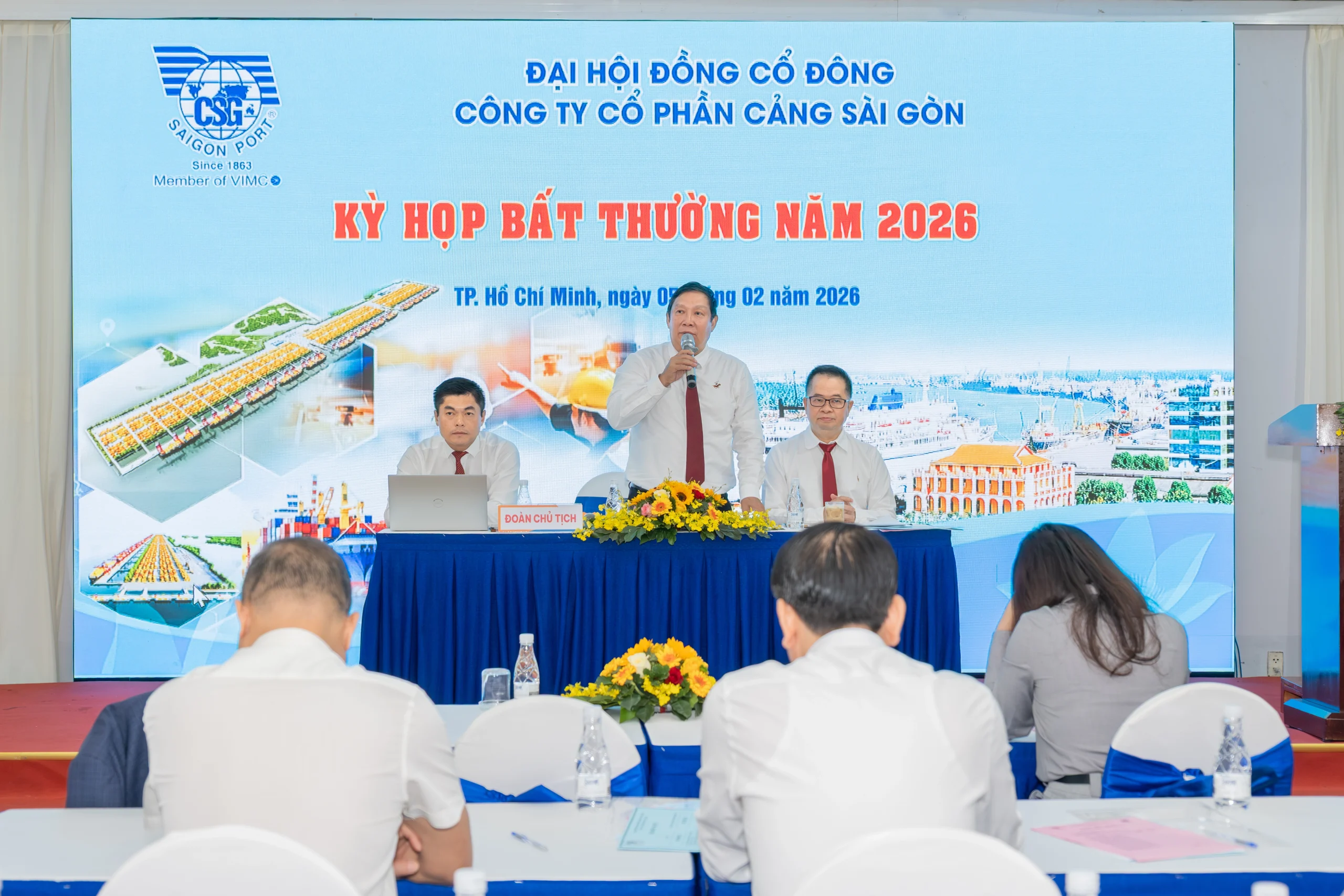
The meeting was chaired by the Presidium, consisting of Mr. Huynh Van Cuong, Chairman of the Board of Directors and Head of the Presidium; Mr. Nguyen Le Chon Tam, General Director; and Mr. Ly Quang Thai, Member of the Board of Directors.
Regarding the capital contribution policy for the Can Gio International Transshipment and Gateway Port project
At the meeting, Saigon Port sought approval to join a consortium with the Vietnam Maritime Corporation (VIMC) and strategic partner Mediterranean Shipping Company (MSC)/Terminal Investment Limited (TiL) to apply for investor selection for the Can Gio International Transshipment and Gateway Port project, which carried an estimated total investment of approximately VND 128 trillion. Saigon Port also plans to contribute 15% of the charter capital to the project enterprise once the investor is officially endorsed by the competent authorities.
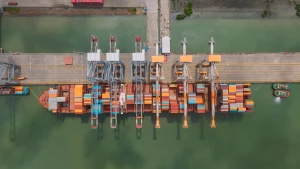
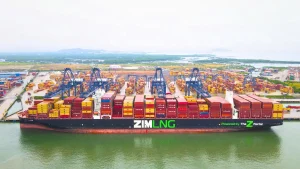
As Ho Chi Minh City advances its vision of becoming a regional logistics and transshipment hub, the project at Can Gio stands as a critical component in enhancing Vietnam’s maritime competitiveness. Designed to accommodate ultra-large container vessels and connect directly to major global shipping routes, the project is positioned to elevate Vietnam’s role in international maritime trade.
For Saigon Port, this project is particularly important during this strategic transition period, as inner-city ports are gradually being affected by the city’s overall planning direction. The development of Can Gio International Transshipment and Gateway Port not only maintains its position as one of the leading seaports in the South but also opens up a direction for the development of a large-scale international transshipment port model, contributing to elevating Vietnam’s port industry to the level of major ports in the region and the world.
Regarding amendments and additions to the Company’s Charter
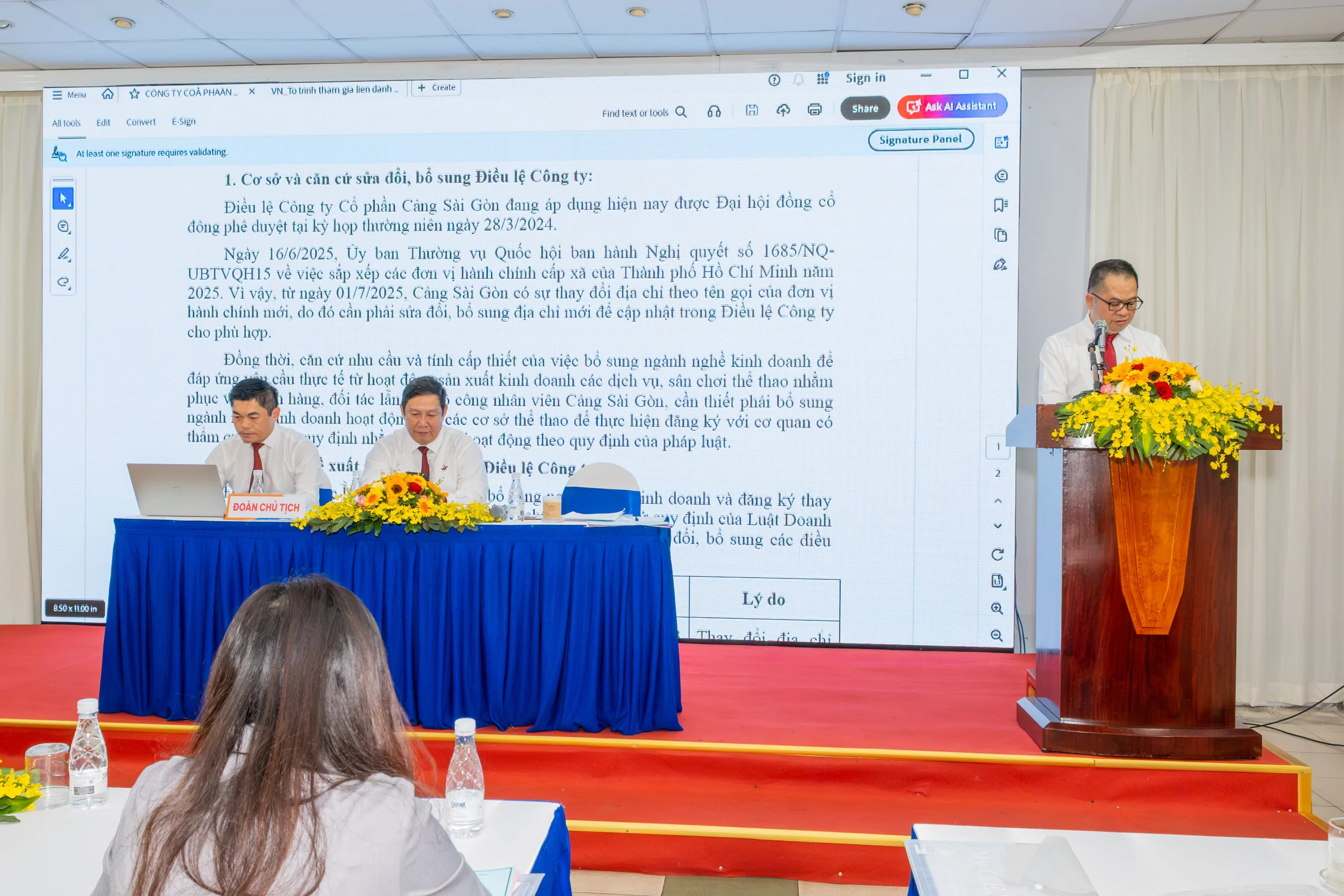
In addition to the project agenda, Saigon Port requested shareholder approval for amendments to its Charter to expand its business portfolio. The proposal included adding sports facility operations, such as tennis, badminton, and pickleball courts, to diversify service offerings and create recreational venues that foster stronger engagement with partners, clients, and relevant authorities through sports activities.
Shareholder discussion and clarifications
During the discussion session, shareholders expressed keen interest in the Can Gio project. Concerns were raised about the potential impact of new large-scale port developments in the Cai Mep – Thi Vai area. The Presidium clarified that, under the Government and Ho Chi Minh City planning, Can Gio and Cai Mep – Thi Vai areas are designated as interconnected and complementary port clusters, jointly strengthening Vietnam’s competitive position in Southeast Asia and beyond.
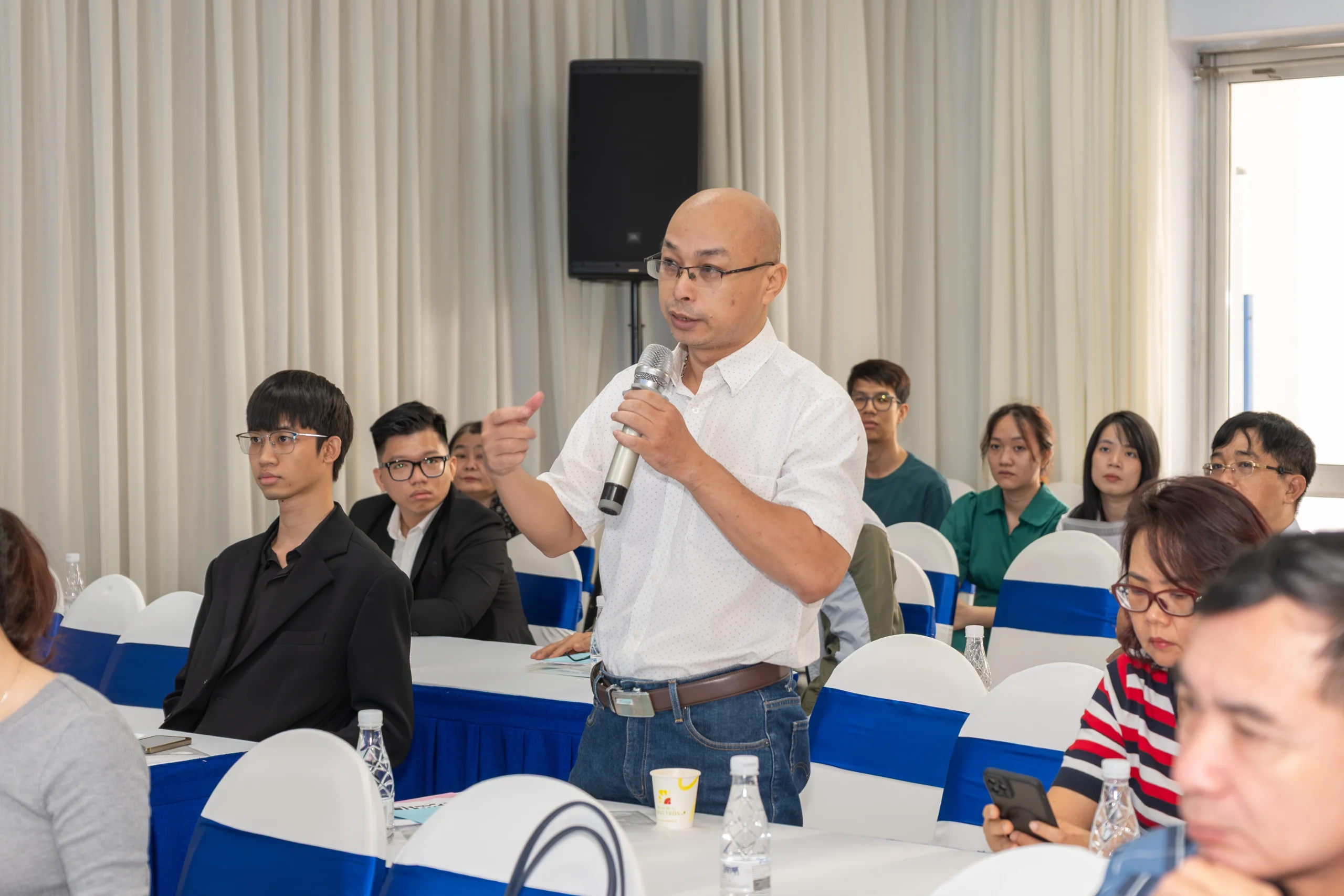
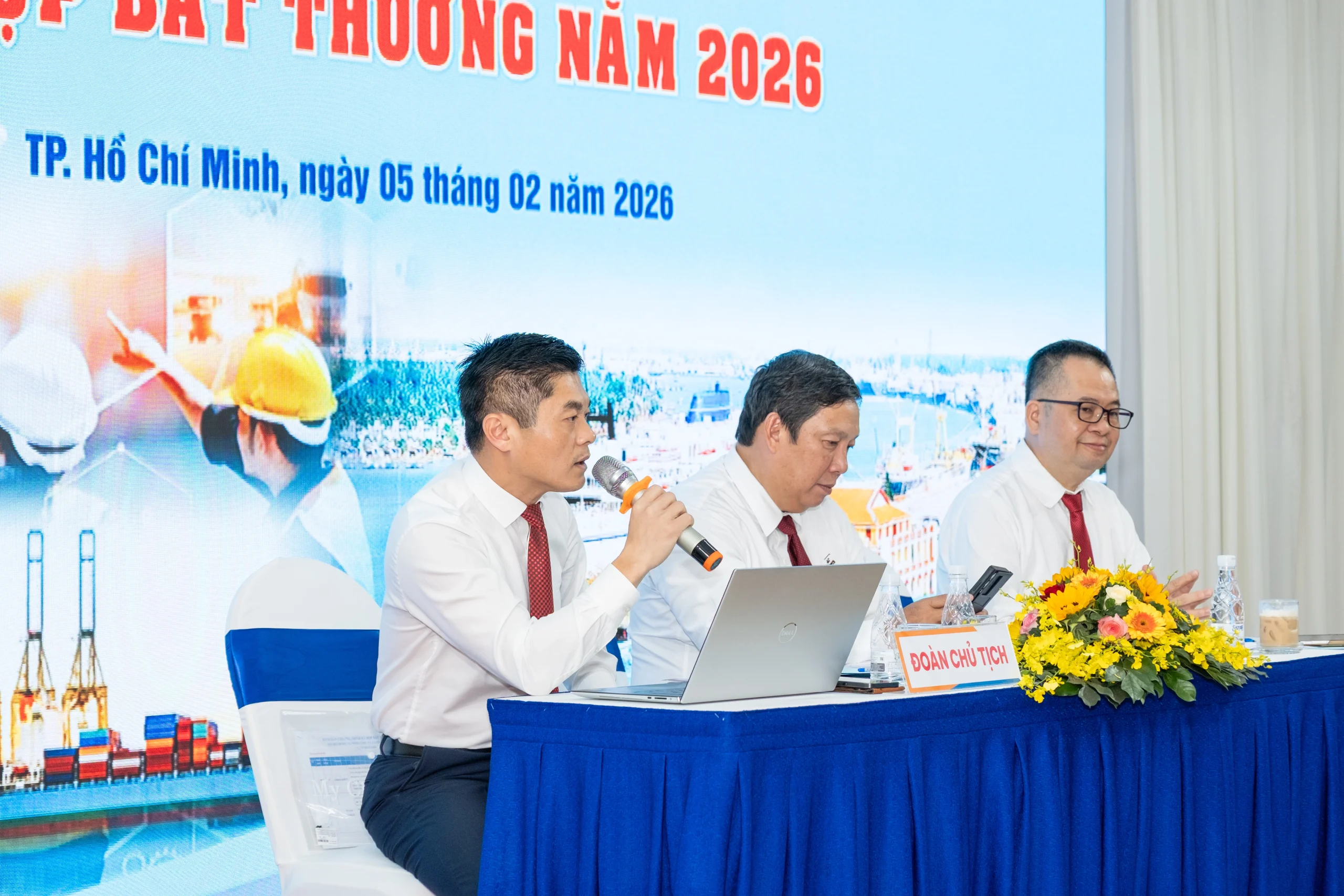
General Director Nguyen Le Chon Tam further noted, “Major transshipment ports in the region, such as those in Singapore and Malaysia, are already operating near capacity. Therefore, establishing a modern transshipment hub in Can Gio is essential for Vietnam to deepen its integration into the global logistics network.”
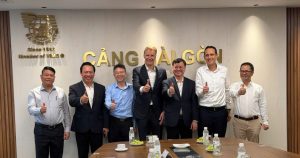
Regarding consortium participation, the Presidium reiterated that partnering with reputable domestic and international entities aligns with previously approved shareholder resolutions. Saigon Port’s leadership also expressed confidence in the cargo commitments of MSC, the world’s largest container shipping line, noting that transshipment remains an underdeveloped segment in Vietnam. Active participation in the consortium enabled Saigon Port to help shape the operational model, governance framework, and long-term development strategy of one of southern Vietnam’s most significant infrastructure projects.
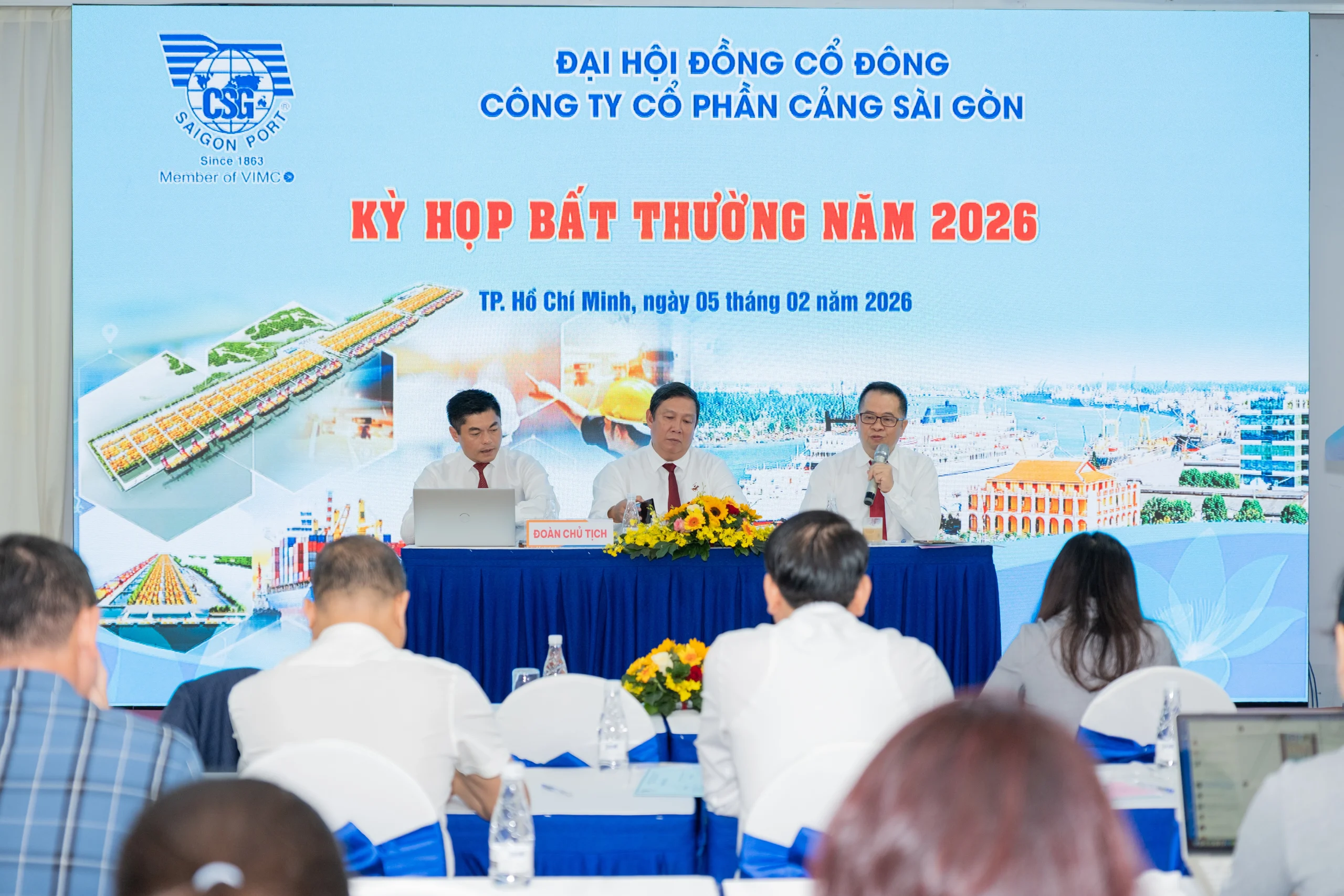
Shareholders also inquired about the broader impacts of Ho Chi Minh City’s major urban infrastructure initiatives, particularly central-area expansion, riverside redevelopment, and land-use restructuring on Saigon Port’s inner-city operations. The Presidium noted that the Company has proactively developed an adaptation roadmap, identifying both the Hiep Phuoc Port area and the project at Can Gio as strategic future pillars.
Voting results
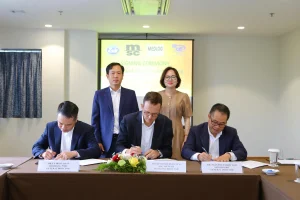
After all questions were addressed, the meeting proceeded to the voting session. Under the supervision of the Vote Counting Committee, the following resolutions were adopted with strong consensus:
1. Approval for Saigon Port to join a consortium with VIMC and MSC/TiL (or an equivalent entity within the MSC/TiL group) for investor selection.
2. Endorsement of Saigon Port’s plan to contribute 15% of the charter capital to the project enterprise upon approval by competent authorities.
3. Authorization for the Board of Directors to implement subsequent procedures in compliance with regulations.
4. Approval amendments and supplements to the Charter of Saigon Port Joint Stock Company.
The 2026 Extraordinary General Meeting concluded in a spirit of unity and commitment. The approved resolutions provide a solid legal and strategic foundation for advancing the Can Gio International Transshipment and Gateway Port project, expanding development capacity, and strengthening the Company’s position within the regional logistics network. With a clear direction anchored in the Hiep Phuoc area and the project at Can Gio, Saigon Port aimed for sustainable growth while proactively seizing opportunities amid the rapid evolution of the maritime industry.
Thai Vuong Nhi
Photos Source: NHD.