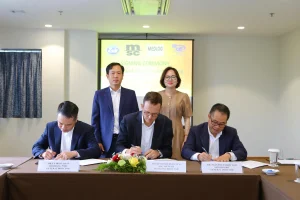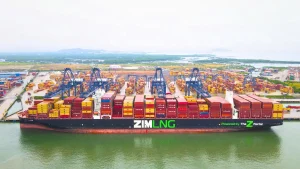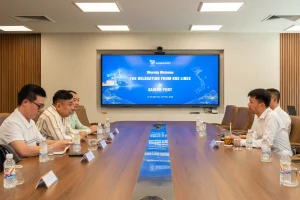
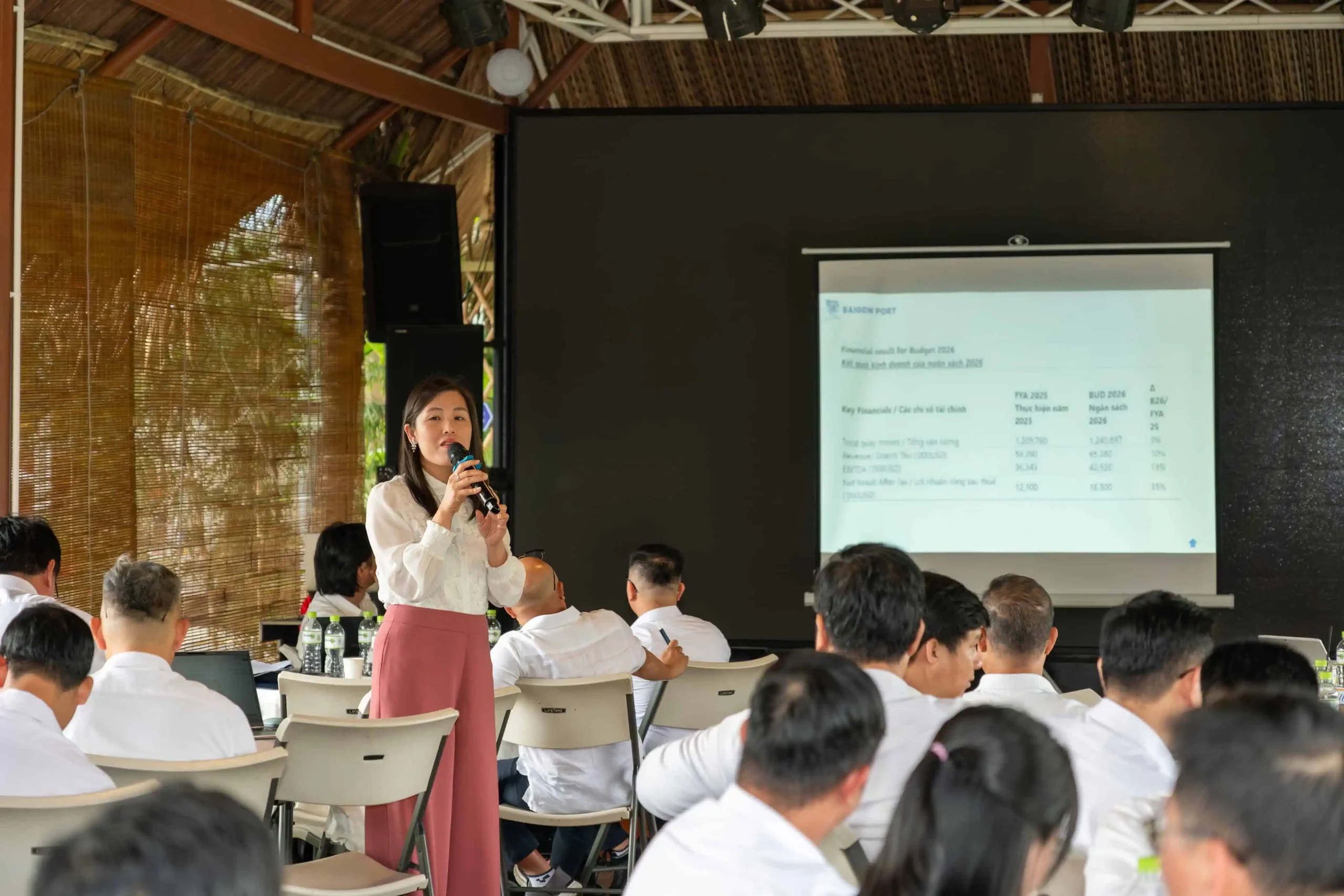
With the objective of fulfilling the targets assigned by the Vietnam Maritime Corporation (VIMC), Saigon Port Joint Stock Company (Saigon Port) convened the Conference to implement its 2026 business development plan on January 12, 2026. The event served as a forum to review the achievements of 2025, assess existing challenges, and reach consensus on directions, solutions and priority tasks for the year ahead.
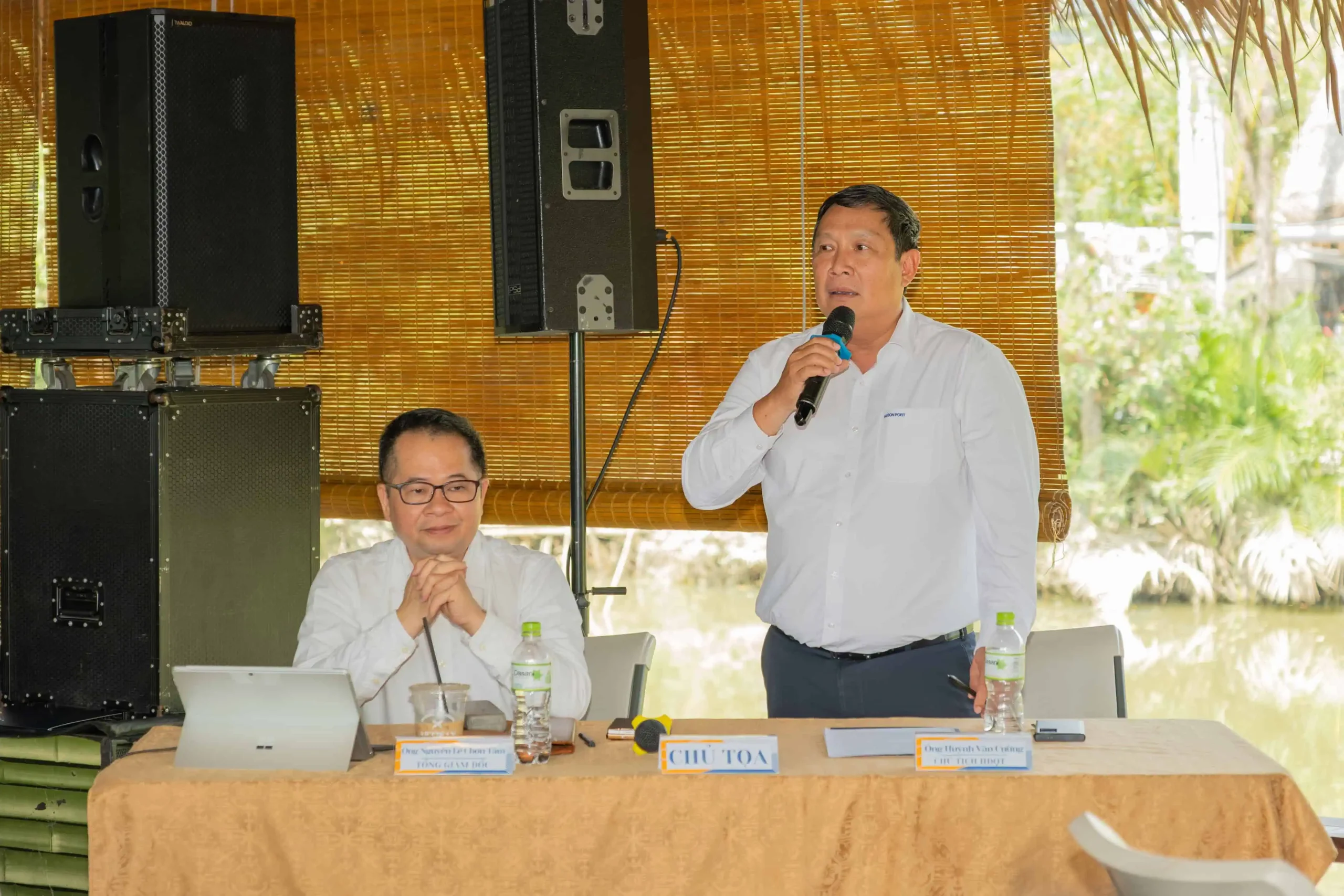
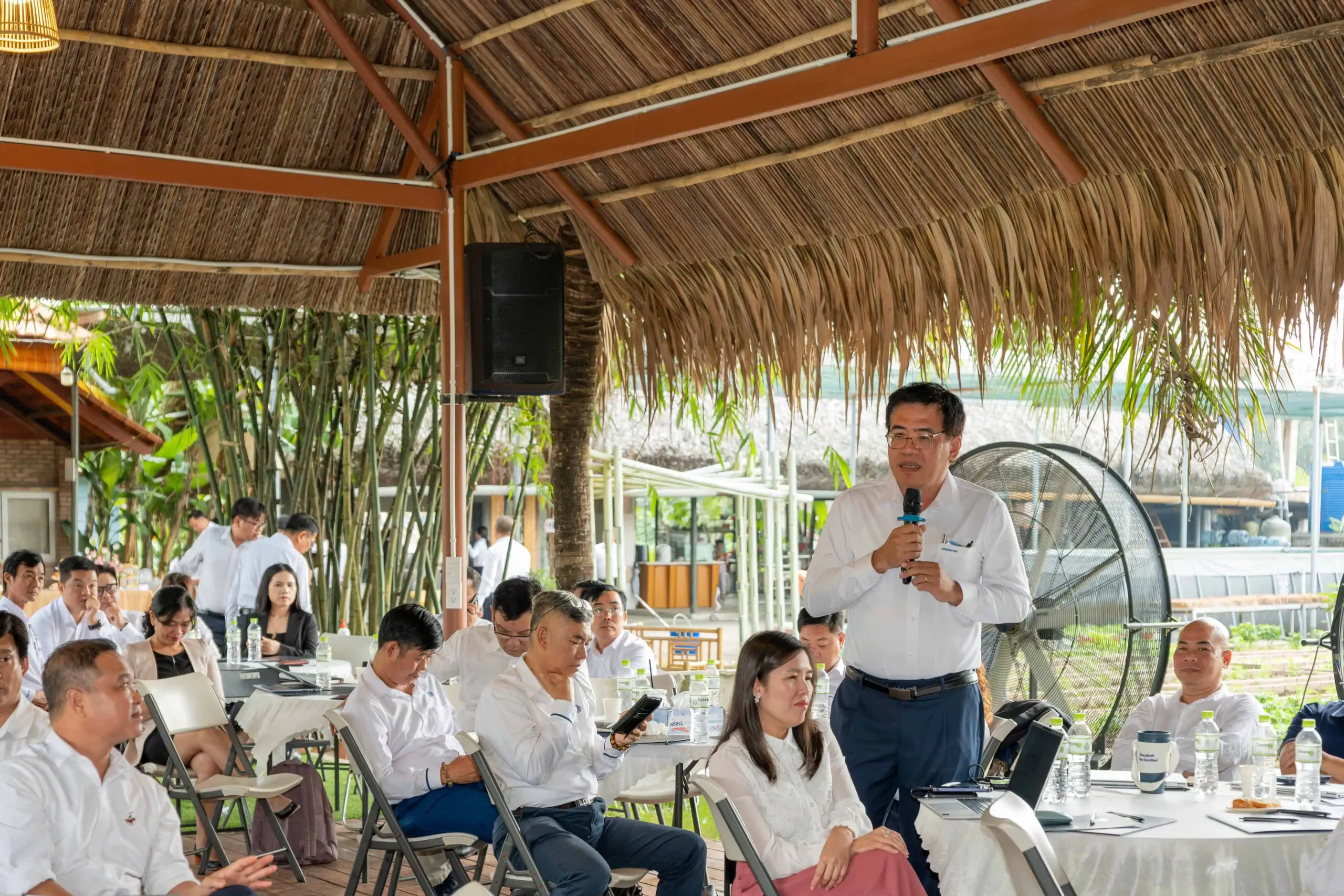
The conference was co-chaired by Mr. Huynh Van Cuong, Party Committee Secretary and Chairman of the Board of Directors, together with Mr. Nguyen Le Chon Tam, General Director. Also in attendance were Mr. Tran Ngoc Thach, Chairman of the Trade Union and Deputy General Director, as well as members of the Board of Directors, the Executive Board, leaders of departments and subordinate units, representatives of Saigon Port’s contributed capital, and the executive teams from affiliated companies. Their full participation demonstrated a strong sense of unity and determination in carrying out the 2026 plan.
In his opening remarks, Mr. Huynh Van Cuong presented a comprehensive overview of Saigon Port’s performance in 2025. Despite challenges associated with organizational restructuring, the transition to a centralized management model, and market fluctuations, Saigon Port successfully met the targets assigned by VIMC and was received a Commendation Certificate. At the same time, the Company advanced key investment initiatives, particularly in infrastructure and equipment, laying a solid foundation for the next development phase. Among these, the Can Gio International Transshipment and Gateway Port has been identified as a strategic investment priority.
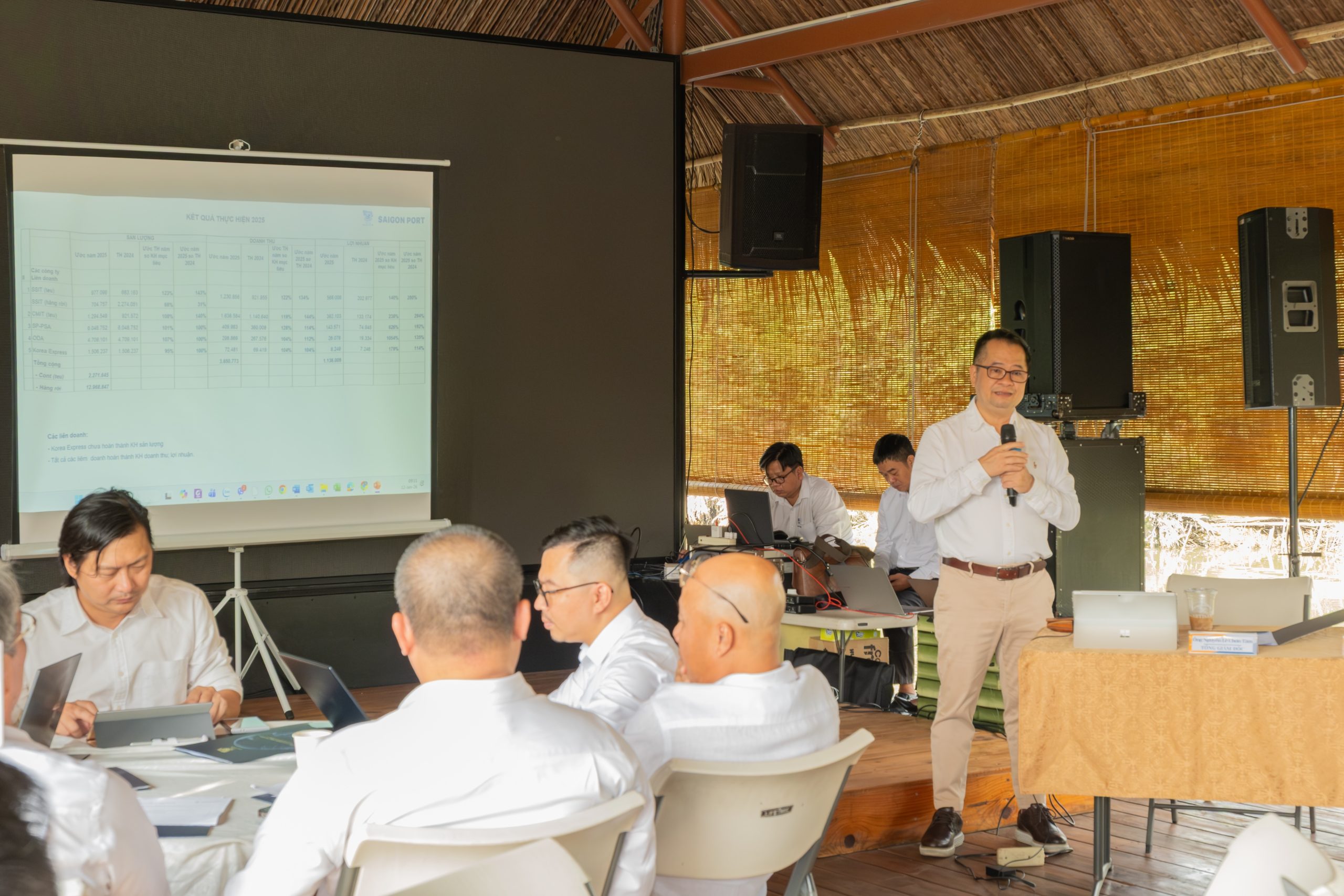
Building on the above, Mr. Nguyen Le Chon Tam further elaborated on the performance of each operation center as well as the joint venture companies. He emphasized the effective optimization of operational space in the Tan Thuan area and and introduced upcoming infrastructure upgrade plans designed to enhance capacity and operational flexibility. On this basis, the leadership acknowledged the dedicated efforts of management teams and, in particular, the contributions of all Saigon Port employees.
Alongside these achievements, the Conference openly discussed persistent challenges. Competitive pressures are intensifying; certain infrastructure and equipment require additional upgrades; and coordination among departments and operation centers, especially regarding resource allocation, manpower, and project execution remains limited. Project preparations in the Tan Thuan and Nha Rong Khanh Hoi areas, under the direction of Ho Chi Minh City, demand comprehensive site reorganization, adjustments to operational plans, and strict adherence to investment timelines. These requirements call for close and proactive coordination to minimize disruptions during the transition period.

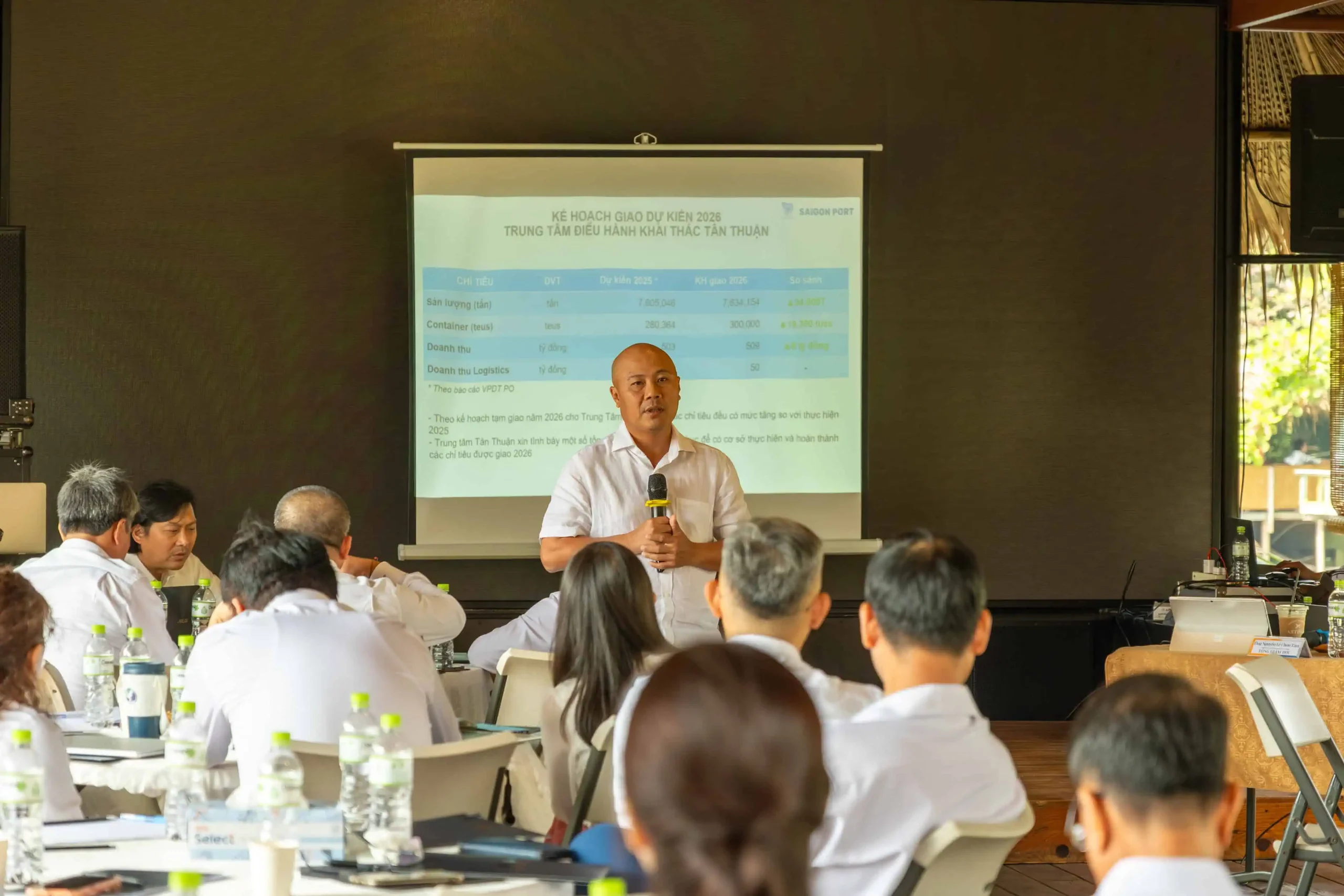
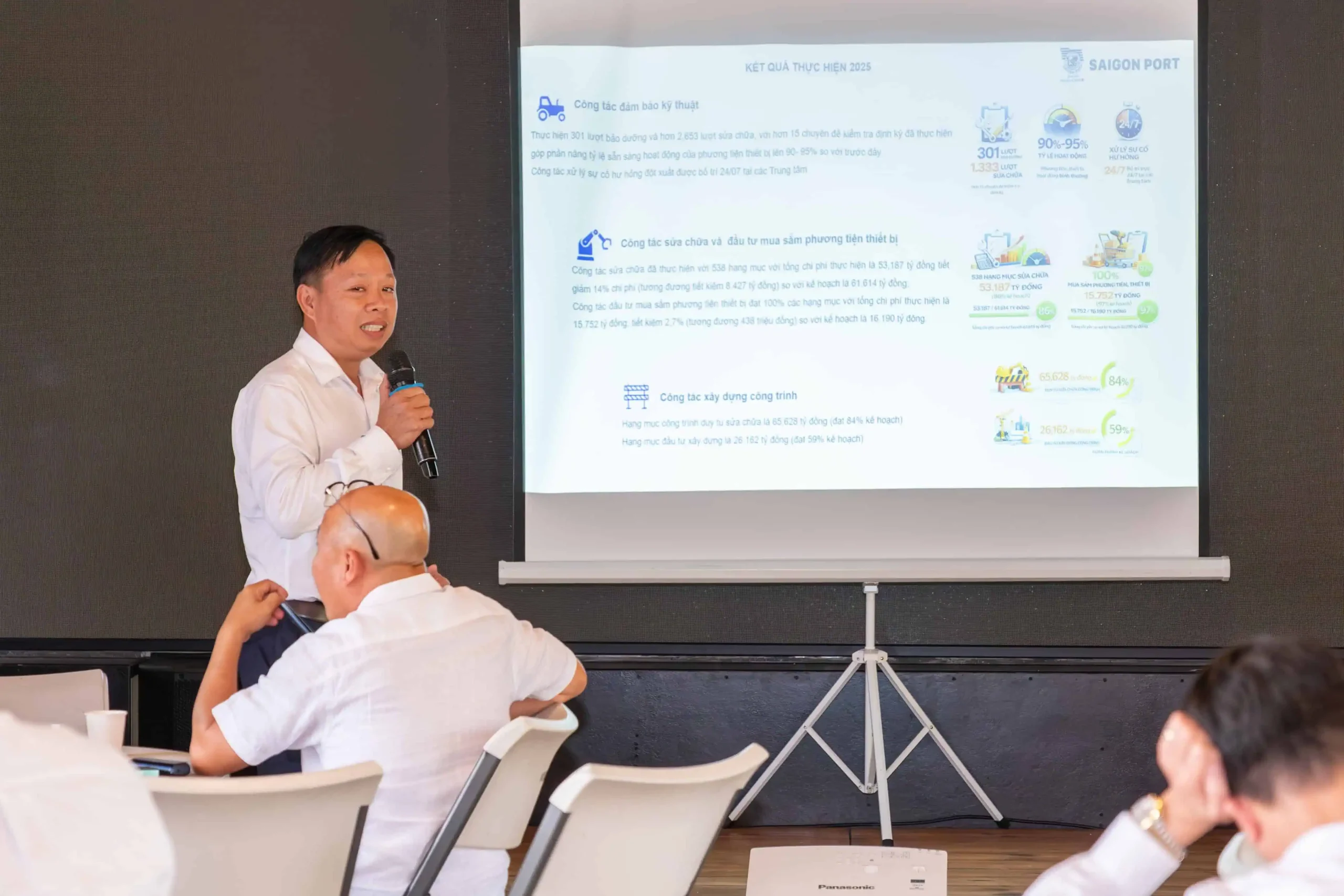
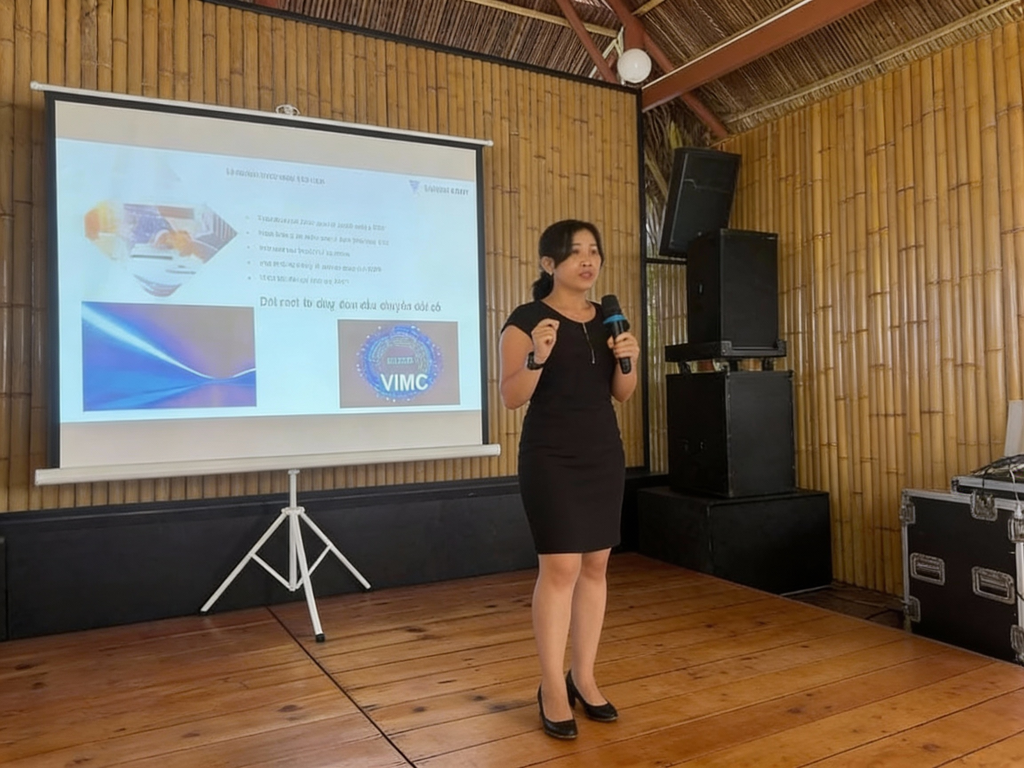
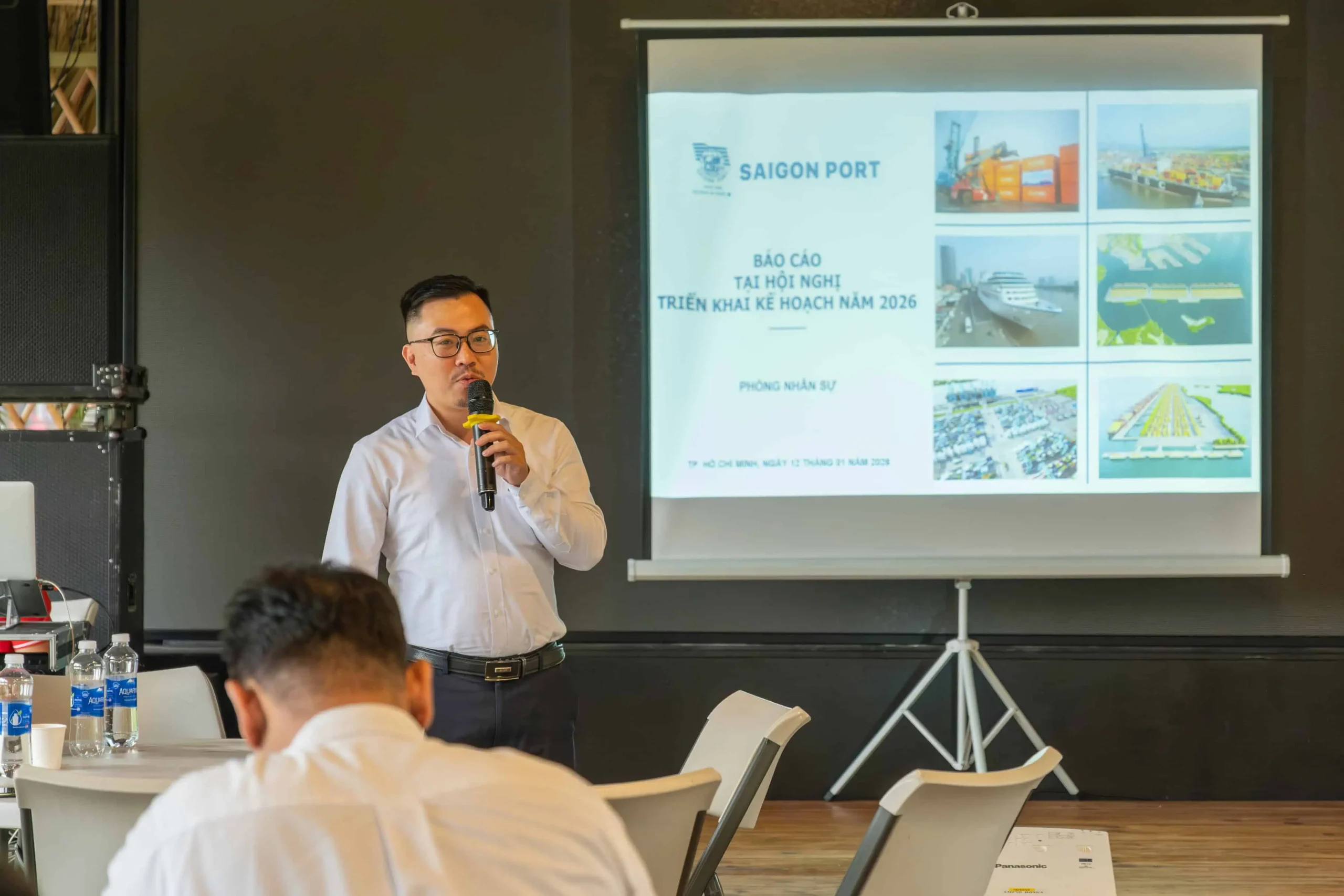
As part of the agenda, representatives of joint venture companies – SP-PSA, CMIT, and SSIT – reviewed their 2025 results and introduced the key targets and implementation measures for 2026. Demonstrating strong commitment, the leadership of these units reaffirmed their efforts to optimize resources, improve service quality, and strengthen operational efficiency, thereby contributing significantly to Saigon Port’s overall performance.
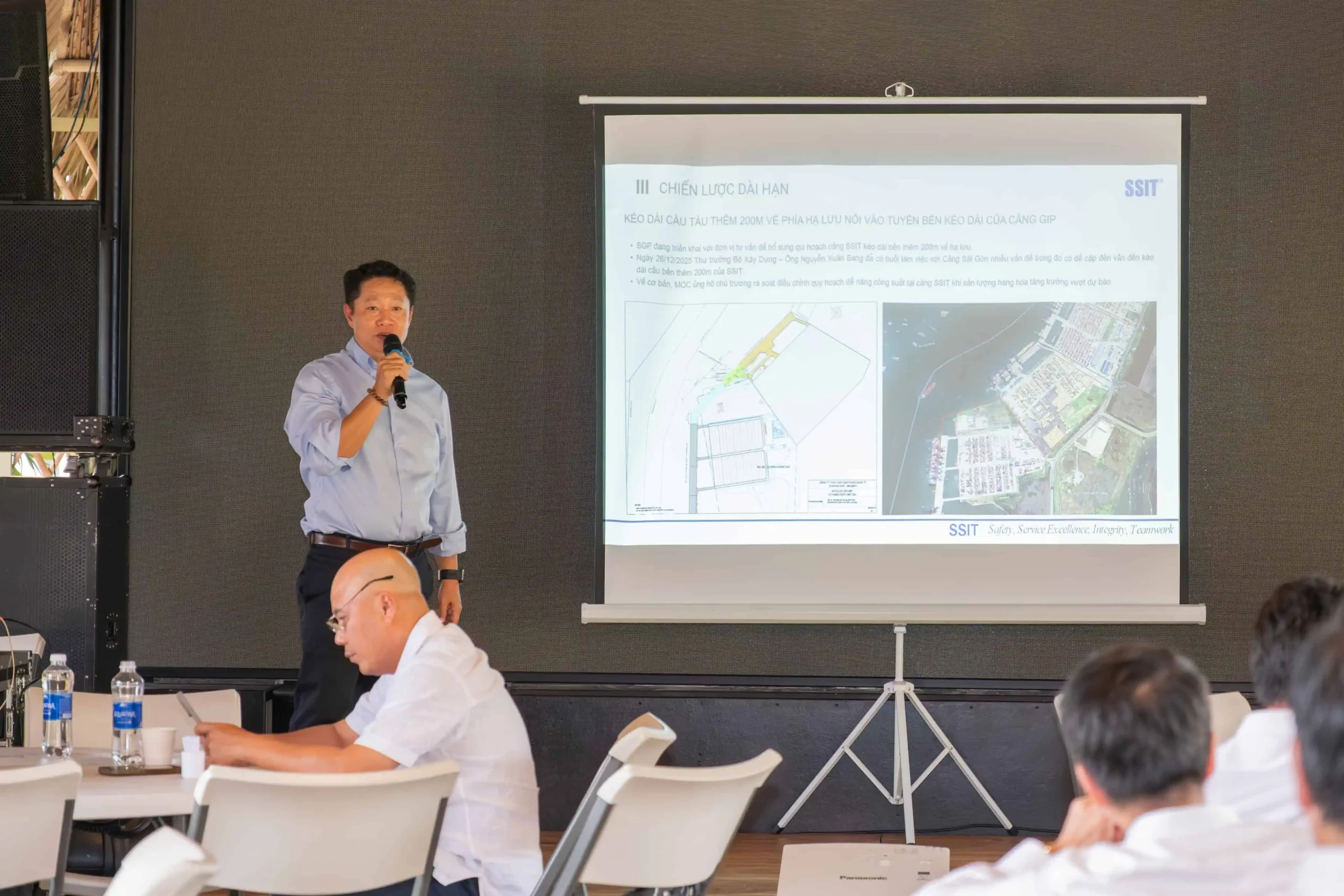
Notably, Saigon Gateway Terminal Joint Stock Company recorded substantial progress in 2025, with total accumulated cargo volume exceeding 450.000 tons, more than 68% higher than in 2024. Alongside expanding strategic partnerships in the Hiep Phuoc area, the official renaming to Saigon Gateway Terminal (SGT) marked an important milestone in the company’s brand evolution and strategic repositioning. Looking ahead, SGT will continue to promote key infrastructure investments, including the construction of 8.000 m² of international-standard warehouse space and upgrades to the Thieng Lieng buoy berth system. These improvements are expected to enhance operational capacity, strengthen competitiveness, and support the achievement of 2026 objectives.
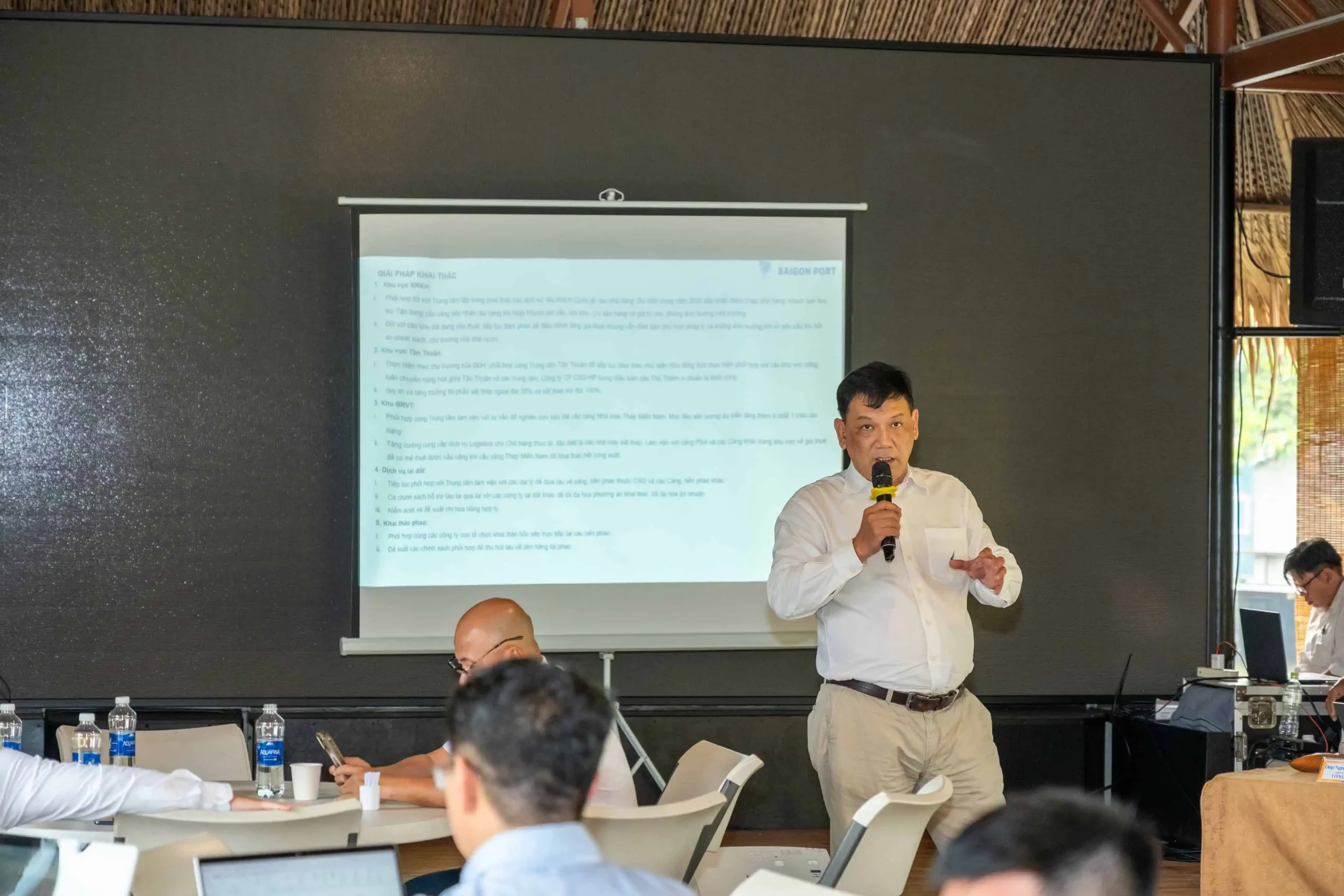
In the context of major infrastructure developments, such as the Thu Thiem 4 Bridge project in Tan Thuan and the expansion of Nguyen Tat Thanh Street in Nha Rong Khanh Hoi, Saigon Port faces an urgent need to reorganize site layouts and adjust operational plans across its inner-city terminals. Accordingly, the Company has designated the Can Gio International Transshipment and Gateway Port as a strategic investment priority and will allocate resources to accelerate its progress. Currently in the investor selection phase, the project is expected to enhance logistics capacity, attract new investment, elevate Ho Chi Minh City’s maritime position, and drive regional infrastructure development, ultimately paving the way for a large-scale logistics hub and free-trade zone.
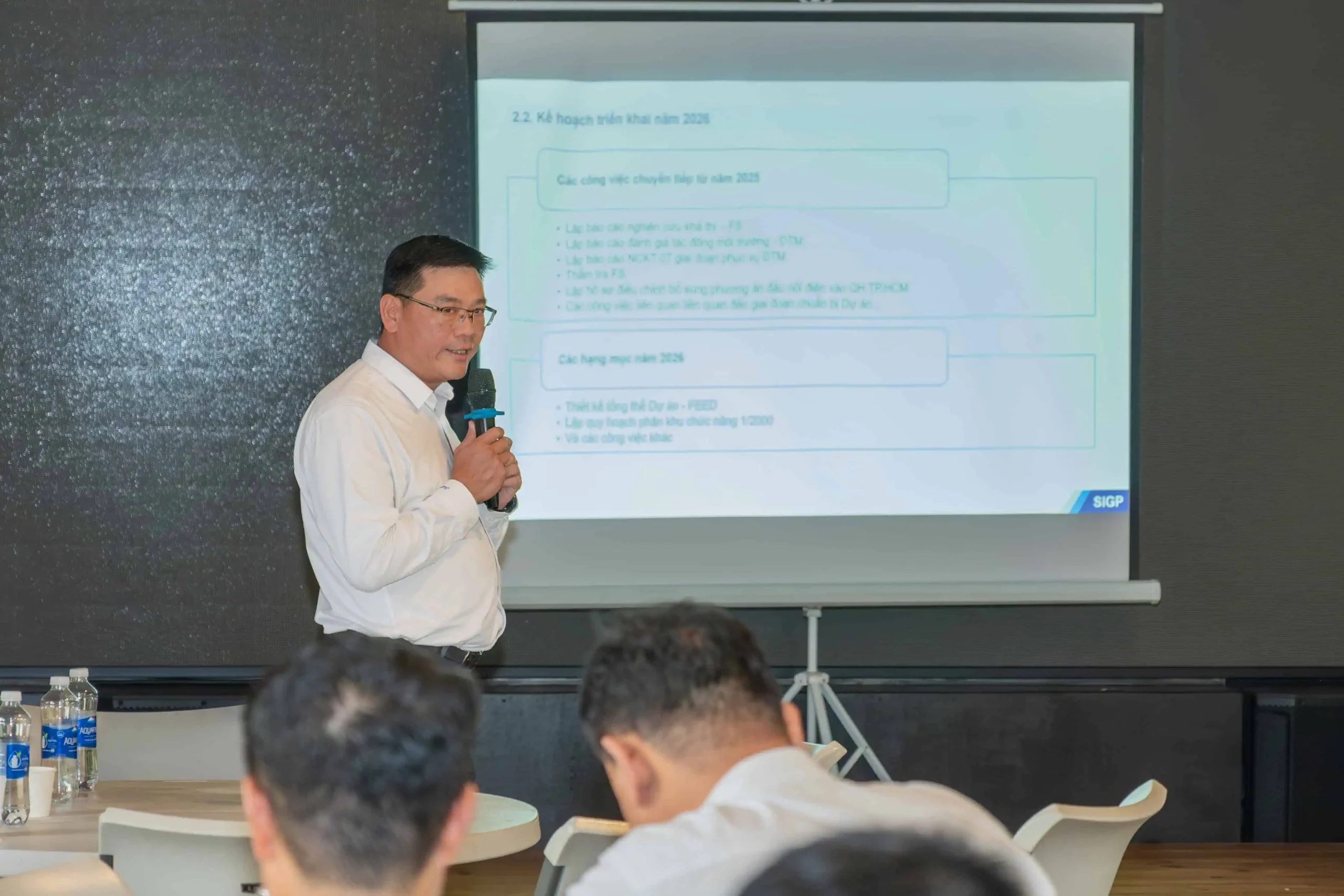
Building on lessons learned from 2025, Saigon Port has identified 2026 as a pivotal stage to strengthen its management, operational, and investment frameworks. Key priorities include streamlining the organizational structure, enhancing inter-unit coordination, resolving infrastructure and land-use bottlenecks, accelerating digital transformation, improving workforce quality, and optimizing asset utilization. With clear strategic direction and well-defined measures, Saigon Port aims to establish a solid foundation for achieving its 2026 targets and advancing toward sustainable, long-term growth.
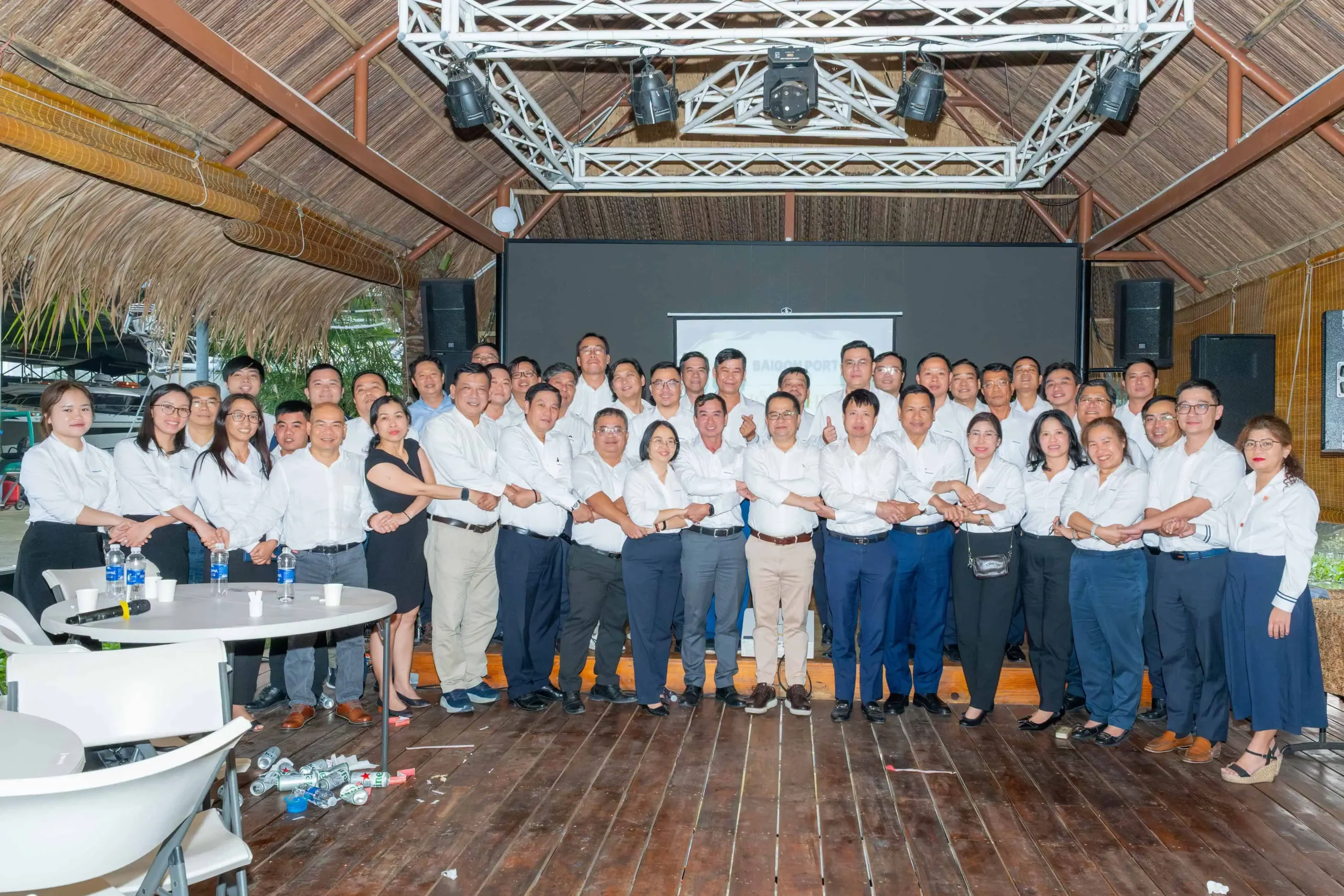
Thai Vuong Nhi